Ancient Tectonic Rifts Reveal Australia's Niobium Origin
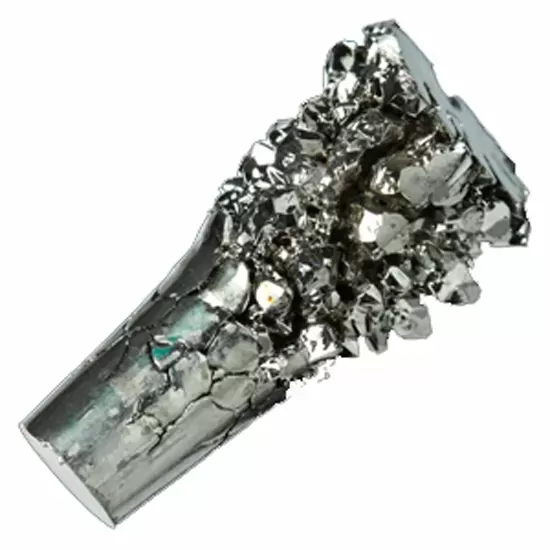
Niobium has emerged as a fundamental element in the evolution of modern engineering and sustainable energy. Its unique physical properties allow for the production of materials that are both incredibly durable and exceptionally light. The primary applications for this strategic resource include:
- Advanced steel alloys for aerospace engineering and high-pressure pipelines.
- High-efficiency components for electric vehicle (EV) manufacturing.
- Next-generation battery technologies and cutting-edge superconducting systems.
Ancient Geological Rifting and the Ascent of Magma
The presence of these mineral-rich rocks in Central Australia is the direct result of cataclysmic events occurring roughly 820 to 830 million years ago. During this era, the supercontinent known as Rodinia began to fracture, causing the Earth's crust to stretch and thin. This tectonic instability created deep-seated fault zones that remained active for hundreds of millions of years, serving as vital conduits for molten material.
Magma, heavily enriched with rare metals, surged from the Earth's mantle through these established fractures. As the material cooled within the crust, it solidified into carbonatites—a rare type of igneous rock that acts as a natural vault for niobium and various rare earth elements.
Breakthroughs in Geochronology and Isotope Analysis
Identifying the precise age and origin of these rocks required sophisticated analytical tools. Researchers from the Curtin University Frontier Institute for Geoscience Solutions utilized advanced isotope-dating techniques to navigate over half a billion years of geological history. By examining drill core samples from the Aileron Province, the team successfully distinguished the original magmatic formation from subsequent geological alterations.
The use of high-resolution imaging and multi-method geochronology allowed scientists to reconstruct a complex timeline. This level of detail is essential for geologists, as carbonatites often undergo significant changes over time, which can obscure their original composition and the timing of their arrival in the crust.
Mapping the Future of Mineral Exploration
The discovery of these carbonatites signifies a major shift in the understanding of Australia's mineral landscape. Because these rocks are known to host significant quantities of critical metals, they are highly sought after by the mining and technology sectors. By linking mineral deposits to specific tectonic stages—such as the early rifting of ancient supercontinents—scientists can now more accurately predict where these hidden resources might be located globally. This research provides a new blueprint for identifying the geological signatures that lead to the discovery of strategic metal reserves.