Hertz's AI Damage Scanners: Innovation or Customer Nightmare?
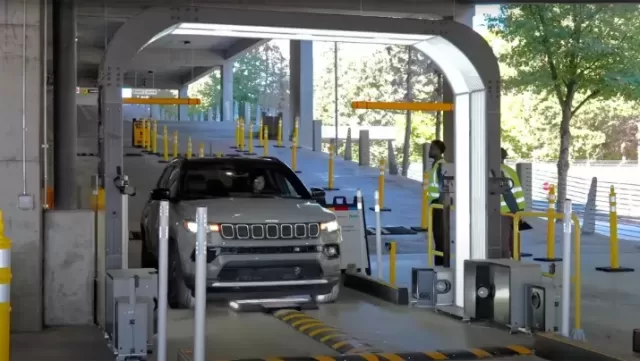
Hertz, Dollar, and Thrifty are rolling out AI-powered vehicle inspection scanners at rental locations. The aim is to streamline fleet maintenance and provide objective damage assessment. However, early reports suggest the system may be causing more problems than it solves.
A recent incident involving a Hertz customer, Patrick, at Atlanta's Hartsfield-Jackson International Airport, highlights potential issues. Patrick was charged $440 for a minor scuff on a wheel, with fees including "processing" and "administrative" costs. The speed of the charge and the difficulty in disputing it raise concerns.
Traditional damage assessment involves human inspection, which, although subjective, allows for immediate customer interaction. The new AI system automates this process, potentially increasing efficiency but reducing human oversight. The speed of damage detection is a selling point but the removal of human judgment raises flags.
While a professional wheel repair might range from $100 to $250, Hertz charged Patrick $250 for the repair plus additional fees. This cost structure, coupled with limited customer service access, has triggered debate over fairness and transparency.
Patrick's experience reveals the limitations of Hertz's current customer service. While live chat is available on the website, the app only allows users to flag claims for review. The long response times, combined with limited-time discounts for admitting fault, puts customers in a difficult position.
Hertz claims the scanners increase transparency and speed in damage reporting. They argue the system provides detailed documentation and a technology-enabled resolution process. However, the company's past history of customer disputes casts doubt on its commitment to fairness.
The scanners could protect renters from being wrongly charged for pre-existing damage. This feature benefits customers who may overlook minor damage during pick-up. However, the scanners must also be accurate to prevent unfair damage charges upon return.
UVeye, the company providing the AI technology, claims its system increases damage detection accuracy fivefold. While this improved accuracy could benefit renters and the company, the potential for errors and the lack of immediate human interaction remain a cause for concern.
Hertz plans to install 100 UVeye scanners at U.S. airport locations by 2025. The success of this rollout depends on addressing customer service issues and ensuring fair damage assessments.
The company must balance innovation with customer satisfaction. Ensuring live agents are accessible and providing clear explanations of damage assessments will be crucial.