AI's "996" Grind: Silicon Valley's Extreme Work Culture
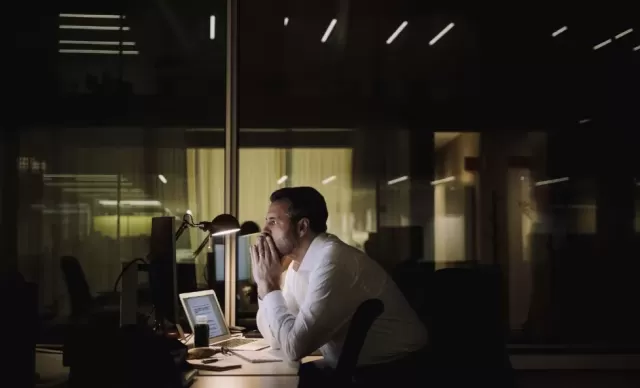
The AI revolution is here, and it's demanding a new kind of commitment from its pioneers. In the heart of Silicon Valley, the traditional 9-to-5 workday is becoming a relic of the past, replaced by a relentless pursuit of innovation fueled by an intense work ethic. This shift, often dubbed "996," is reshaping the landscape of tech employment, pushing the boundaries of productivity and raising questions about the sustainability of such demanding schedules.
The Rise of the "996" Culture in AI
The term "996" originates from a Chinese corporate expectation that has recently come under scrutiny. It signifies a work schedule of 9 a.m. to 9 p.m., six days a week. In the hyper-competitive realm of artificial intelligence, this model is no longer confined to its origins. Job postings in Silicon Valley now frequently feature this demanding schedule, often alongside enticing perks like attractive salaries, shared housing, and substantial equity in promising startups.
A Glimpse into the New Work Standard:
| Perk | Description |
|---|---|
| Salary | Highly competitive, reflecting the demand for AI talent. |
| Hacker House | Shared living spaces designed to foster collaboration and minimize living costs. |
| Equity | Significant ownership stakes in startups, offering potential for substantial returns. |
| "996" Work Schedule | Expectation of long hours, often 6 days a week, to accelerate development. |
Some companies are pushing the envelope even further. One San Francisco-based AI startup, Sonatic, recently advertised a position requiring employees to work seven days a week. While the offer included amenities like free housing, meals, and even a subscription to a premium dating service, it underscored the extreme demands placed on individuals in this high-stakes environment.
The Pressure Cooker: AI Researchers and the Endless Cycle of Disruption
The pressure to stay ahead in the AI race is palpable, leading to a situation where even those who achieve financial success find themselves with little time to enjoy their newfound fortunes. Data from expense management startups reveals a surge in delivery orders on weekends in San Francisco, indicating that work continues unabated even on traditional days of rest. This intensity has led some top researchers to compare the current circumstances to wartime conditions, highlighting the all-consuming nature of the AI development push.
The "grindcore culture" of San Francisco, known for its demanding work environment, is reportedly more potent than ever. Co-working spaces are buzzing with activity, with multiple startups sharing floors. Desks are often adorned with the remnants of energy drinks, and a constant stream of food delivery couriers flows through the lobbies, symbolizing the non-stop operational tempo.
However, not all founders subscribe to the literal interpretation of the "996" schedule. Some argue that it's less about rigidly adhering to 12-hour days and more about a mindset where work becomes an integral part of one's life, blurring the lines between professional and personal time.
The Productivity Paradox: Is "996" Sustainable?
Despite the allure of relentless work as a sign of dedication and ambition, there's a growing debate about the true effectiveness of such demanding schedules. Management research, dating back to World War I experiments in ammunition factories, consistently demonstrates that productivity begins to decline after 40 to 45 hours of work per week. Pushing beyond these limits can, in fact, stifle the very creativity and curiosity that are essential for genuine innovation.
Impact of Extended Work Hours on Productivity:
| Work Hours per Week | Expected Productivity Outcome |
|---|---|
| 0-40 | Optimal productivity and employee well-being. |
| 40-45 | Slight decrease in peak productivity, but still generally efficient. |
| 45-60 | Significant decline in productivity, increased errors, and potential burnout. |
| 60+ (e.g., 996) | Severely diminished productivity, stifled creativity, increased health risks, and high employee turnover. |
In the image-conscious environment of Silicon Valley, embracing the "tyrannical boss" persona who drives teams to their breaking point has become a sort of iconic status symbol. This perception can be a powerful tool for signaling seriousness and importance to investors, competitors, and even employees. However, this outward show of intensity may be masking a less productive reality. Venture capitalists funding these ventures are urged to critically examine the metrics they prioritize and consider whether they are truly rewarding sustainable innovation or simply encouraging burnout.
The AI revolution is undoubtedly an exciting and transformative era. As it progresses, the industry faces the critical challenge of balancing groundbreaking ambition with the well-being and long-term productivity of its workforce. The conversation around work-life integration, sustainable work practices, and the true drivers of innovation is more crucial than ever.