Dalio Warns of "Capital Wars" Amidst Trump Policies
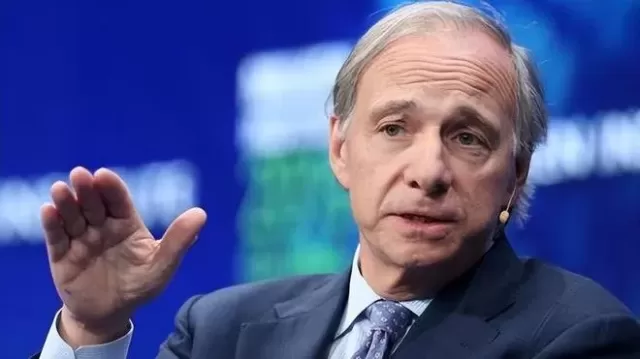
Ray Dalio, the prominent hedge fund manager, has issued a stark warning about the potential for escalating economic conflicts to evolve into financial warfare. Speaking at the World Economic Forum in Davos, he suggested that aggressive trade policies could trigger a dangerous shift, where international disputes move beyond tariffs and into the realm of capital flows and currency.
The Risk of Capital Wars
Dalio emphasized that trade deficits and trade wars have a counterpart: capital wars. The core concern is that persistent economic tensions could lead foreign governments and major investors to lose confidence. This erosion of trust might make them reluctant to continue financing U.S. deficits by purchasing Treasury debt. With the United States continuing to issue substantial new debt, a withdrawal of this foreign capital could create a significant financial strain.
The dynamic is one of mutual apprehension. Foreign holders of U.S. dollar-denominated assets are growing uneasy, while the U.S. itself relies on their continued investment. This precarious balance becomes a substantial systemic issue when geopolitical conflicts intensify.
Historical Precedents and Market Reactions
History provides clear examples, Dalio noted, where geopolitical strife has directly impacted financial alliances. During periods of conflict, even traditional allies often seek to reduce exposure to each other's debt, preferring to move assets into perceived safe-haven or hard currencies. This pattern has repeated across different eras and is a logical response to uncertainty.
Recent market movements underscore this theory. Treasury prices faced pressure as investors reacted to renewed threats of tariffs, sparking fears of a broader trade conflict. This prompted a noticeable shift away from certain U.S. assets as market participants sought safety.
The Critical Role of Portfolio Diversification
In this environment, Dalio strongly advocates for robust portfolio diversification. He cautions against over-concentration in any single asset class or the debt of any one country. To navigate potential volatility and capital wars, investors must spread risk across uncorrelated assets.
A key component of this strategy, according to Dalio, is an allocation to gold. He recommends gold constitute 5% to 15% of a typical investment portfolio, citing its historical role as an effective diversifier. Gold often performs well when traditional financial assets, like stocks and bonds, are under stress, providing a crucial hedge during periods of economic and geopolitical friction.
This advice resonated in markets, as the price of spot gold climbed to a record high, reflecting strong investor demand for safe-haven assets amid rising global tensions.