New Hope for Chronic Wounds: Bacterial Metabolism Targeted
Researchers at Nanyang Technological University, Singapore (NTU Singapore), have pioneered a groundbreaking method to accelerate the healing of chronic wounds, including those resistant to antibiotics. This innovative approach tackles a significant global health challenge, as chronic wounds, such as diabetic foot ulcers, afflict millions annually and frequently lead to severe complications like lower limb amputations. In Singapore alone, over 16,000 cases of chronic wounds are reported each year, disproportionately affecting the elderly and individuals with diabetes.
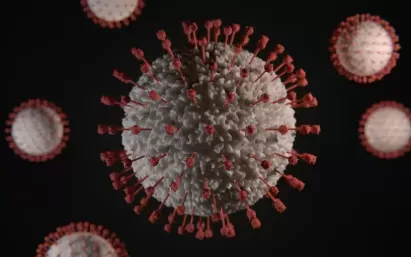
The study, published in Science Advances and conducted in collaboration with the University of Geneva, sheds light on the detrimental role of the common bacterium Enterococcus faecalis (E. faecalis) in hindering wound repair. Traditionally, the precise mechanisms by which bacterial infections impede healing have been elusive. However, this research uncovers that E. faecalis doesn't primarily employ toxins; instead, it releases reactive oxygen species (ROS) as a metabolic byproduct. This process, identified by NTU Research Fellow Dr. Aaron Tan as extracellular electron transport (EET), continuously generates hydrogen peroxide, a potent ROS that damages human skin cells involved in wound closure.
This generated hydrogen peroxide induces oxidative stress in keratinocytes, the crucial skin cells responsible for wound repair. This stress triggers a protective mechanism within these cells known as the "unfolded protein response." While typically a survival strategy, in this context, it effectively incapacitates the keratinocytes, halting their ability to migrate into the wound area and seal the damage. Experiments with a genetically modified E. faecalis strain lacking the EET pathway demonstrated significantly reduced hydrogen peroxide production and a restored ability to heal wounds, confirming the central role of this metabolic pathway in the bacteria's disruptive action.
The breakthrough lies in the discovery that this bacterial metabolism, rather than direct toxicity, is the primary culprit. This opens the door to a novel therapeutic strategy that moves beyond conventional antibiotic treatments, especially for antibiotic-resistant strains of E. faecalis. By neutralizing the harmful hydrogen peroxide produced by the bacteria, researchers were able to reverse the cellular stress and restore the keratinocytes' migratory function. Treatment with catalase, a natural antioxidant enzyme that breaks down hydrogen peroxide, effectively reduced cellular stress, enabling skin cells to resume their healing duties.
This strategy offers a promising alternative by targeting the damaging byproducts of bacterial metabolism instead of the bacteria themselves, thereby avoiding the escalating problem of antibiotic resistance. Associate Professor Guillaume Thibault, a lead researcher on the study, highlighted the surprise nature of this finding, emphasizing that the bacteria's metabolic process is the actual "weapon." This research directly links bacterial metabolism to human cell dysfunction, paving the way for new treatments for chronic wounds.
The team envisions the development of future wound dressings infused with antioxidants like catalase. Given that these antioxidants are well-established and widely used, this approach has the potential to transition from laboratory research to clinical application more rapidly than the development of entirely new drugs. The findings are directly applicable to human physiology, offering hope for patients with persistent, non-healing wounds. The next phase of research will involve animal model studies to determine the most effective delivery methods for antioxidants before proceeding to human clinical trials.