Embracing Rejection: A Writer's Path to Acceptance

Rejection. That cold, hard "no" that can sting, especially when it's a recurring theme. As a writer, I've become intimately familiar with it over five decades, weathering countless rejections of novels, proposals, stories, and pitches. In recent years, focusing on essays and opinion pieces has only amplified the frequency, sometimes exceeding 100 rejections annually.
But this isn't a tale of woe. At 73, I've finally made peace with rejection, learning to navigate setbacks with equanimity. Here's how I did it.
My career has been a tapestry of both triumphs and dismissals. I avoid keeping score because it's detrimental to my mental state. An editor might reject twenty submissions before accepting one. My memoir proposal was turned down by fifty publishers before finding a home. One editor even requested that I submit essays less frequently.
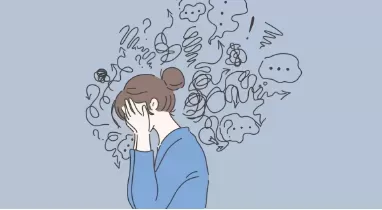
In my early career, rejection felt deeply personal. Each "no" seemed to invalidate my entire being, not just my work.
This triggered a familiar cycle:
- Shock: Disbelief at the rejection.
- Denial: Convincing myself it was a mistake.
- Dismissal: Dismissing the intelligence of those who rejected me and criticizing their publication.
- Anger: Directed at the rejectors and myself.
- Bargaining: Trying to persuade them of my talent.
- Depression: Believing I was hopeless.
This pattern persisted for decades.
I took comfort in the knowledge that many acclaimed writers faced initial rejection. Works like "Moby-Dick," "Frankenstein," and "Lolita" were all initially spurned. Even Michael Jordan was cut from his high school basketball team. Sylvester Stallone endured 1,500 rejections for his "Rocky" script and role. He chose to use rejection as a wake up call, not a reason to quit.
In my 60s and 70s, I reached the final stage: acceptance. I now understand that rejections often stem from circumstances beyond my control. An editor might have a similar piece in the works or be seeking a different voice.
Sometimes, the issue is with the work itself. My pitch might lack appeal, my argument might be weak, or my writing might be unoriginal.
The realization that anything can be rejected, for any reason, was liberating. While some factors are immutable, others are within my control.
Despite the rejections, I've had considerable success. I've published two books and over 1,000 articles in various publications. My first op-ed appeared in the New York Times at 26, and I've continued to contribute for decades.
While I haven't achieved superstardom, my accomplishments have softened the blow of rejections. I can now approach them philosophically.
Rejection is a valuable teacher, provided you're willing to listen. Here's my advice:
- Analyze the Rejected Pitch: Scrutinize it for areas of improvement. If you still believe in the idea, resubmit it elsewhere. If not, revise it.
- Trust Your Judgment: Rejection teaches you to rely on your intuition.
Rejection forces you to confront reality. It reminds you that other perspectives matter, and the market's judgment deserves respect.
Rejection builds resilience. It challenges you to persevere, instills humility, and strengthens your resolve. It's an education in bouncing back from failure, a crucial entrepreneurial skill.
Rejection isn't desirable, but it can inspire growth. It encourages us to stay true to ourselves and push for improvement. It can motivate you to strive for better results. As Saul Bellow said, rejections "teach a writer to rely on his own judgment and to say in his heart of hearts, 'To hell with you.'"
Embracing rejection is easier with age and experience.
I shared this advice with my daughter: Write authentically, focus on what matters, stay productive, and persevere. Faith in yourself will eventually lead to success.
Life is a series of "yeses" and "nos." Learning to accept "no" is the first step towards achieving "yes."